- Core vetting framework
- 12 specific questions covering portfolio, crew, equipment, insurance, contracts, ownership, and process
- Booking lead time
- 4–8 weeks for standard projects; 2–3 months for major productions
- Payment standard
- 50% deposit to book, 50% on final delivery
- Insurance requirement
- General liability + equipment insurance (essential)
- Revisions standard
- 2 rounds included; "unlimited revisions" is a red flag
- Footage ownership
- Client should own final deliverables; raw footage policy in writing
- Location served
- Little Rock, Conway, Hot Springs, Fayetteville, and statewide Arkansas
Hiring the wrong video production company means a finished product that misses the mark, blown budgets, blown deadlines, or — worst case — a project that never gets delivered at all. Most businesses only hire a video company once every year or two, so they don't know what to ask. Here's what to ask.
The 12 questions
- Can I see a portfolio of similar work?
- Who will be on my shoot?
- What equipment do you use, and do you own it?
- Do you carry insurance?
- What does pre-production look like?
- Who owns the footage?
- How many revisions are included?
- What's the timeline?
- Can I see a sample contract?
- How is payment structured?
- What if weather or illness delays the shoot?
- Can I talk to two recent clients?
Every question below follows the same structure: what to ask, why it matters, what a confident answer sounds like, and what a red-flag answer sounds like.
Question 1: Can I see a portfolio of work similar to what I need?
Why it matters: Corporate, wedding, and event videographers have different skill sets. A great wedding shooter isn't necessarily good at brand storytelling.
Good answer: A curated reel of three to five projects in the same category as yours — corporate brand videos, nonprofit fundraising pieces, recruiting content, whatever's relevant.
Red flag: A single demo reel mixing every genre, or the catch-all "we can do anything." Generalists are usually mediocre at everything.
Question 2: Who specifically will be on my shoot, and what's their experience?
Why it matters: Many companies book you on the strength of their best work and then send a junior shooter to your actual gig.
Good answer: Named team members with specific roles and years of experience. The person who shows up to your shoot is identified by name.
Red flag: Vague references to "our team" without specifics.
Question 3: What equipment do you use, and do you own it or rent it?
Why it matters: A company that owns professional gear has skin in the game.
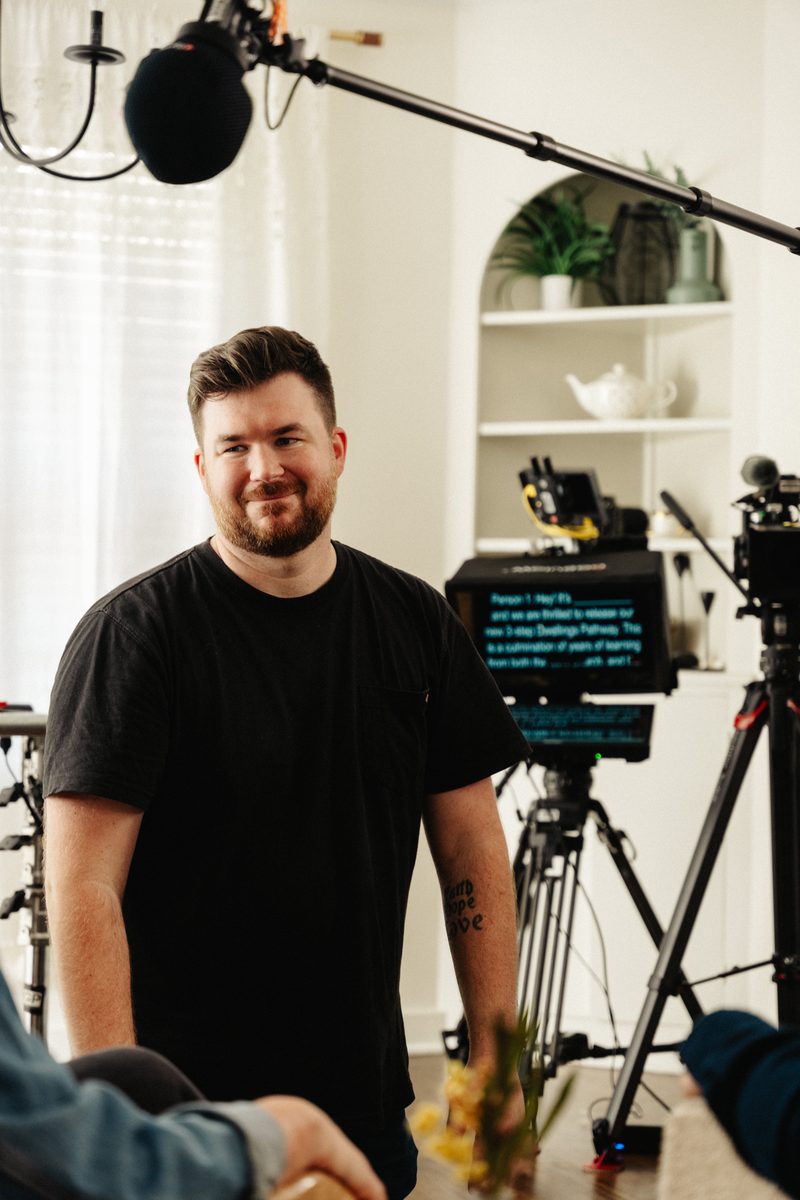
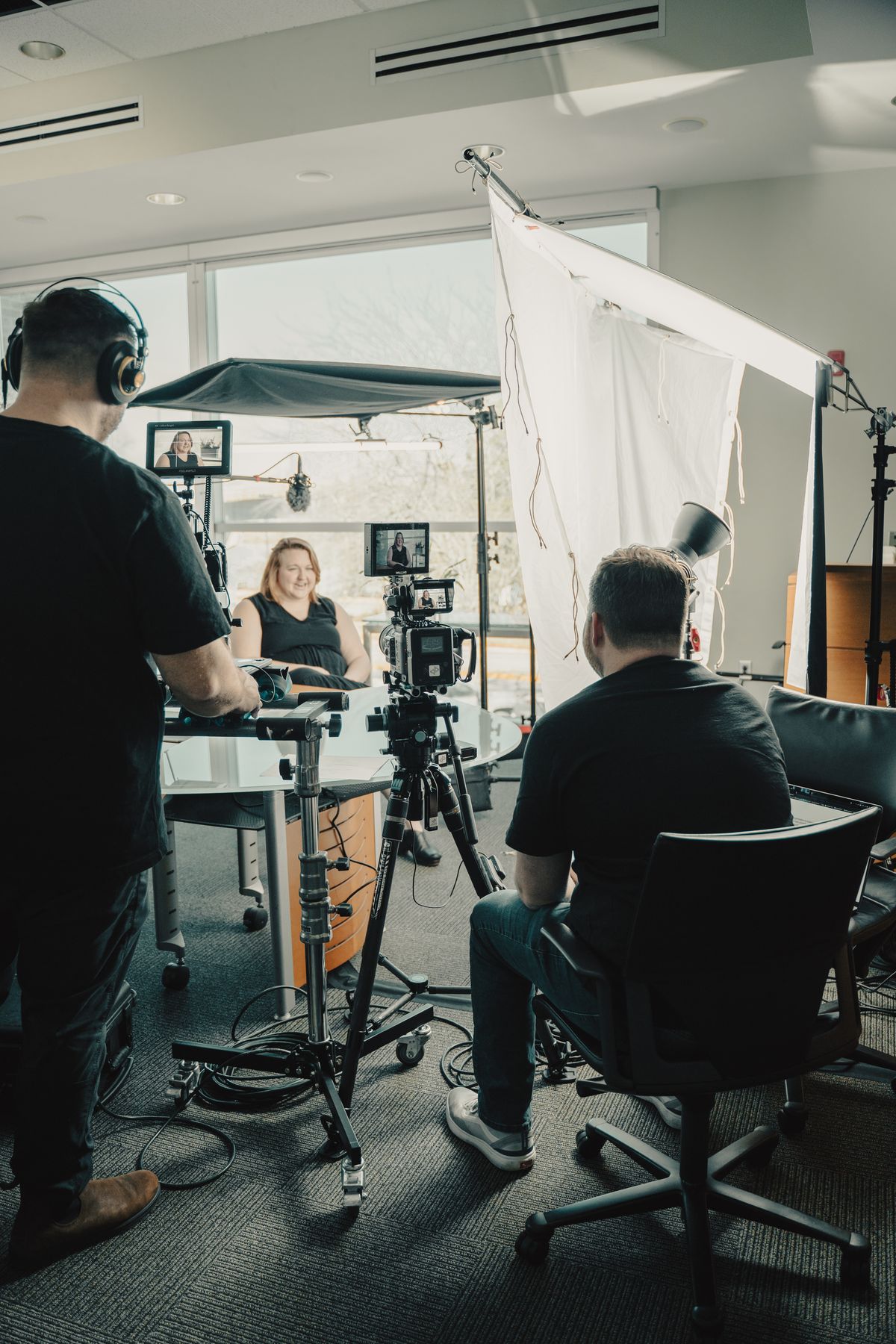
Good answer: Specific cinema-grade cameras (Sony FX6, ARRI, RED, or equivalent), professional audio (Sennheiser, Lectrosonics wireless lavs, boom mics), proper lighting kits.
Red flag: Refusal to name gear, or only consumer/prosumer cameras with no professional audio package.
Question 4: Do you carry general liability and equipment insurance?
Why it matters: If a crew member damages equipment at your office, who pays? Many office buildings, healthcare facilities, schools, and event venues require vendors to provide a Certificate of Insurance.
Good answer: Yes, with proof available on request and ability to add your company as additional insured.
Red flag: Hesitation, confusion, or "we've never needed it." This is one of the clearest amateur-vs.-professional dividing lines.
Question 5: What does your pre-production process look like?
Why it matters: The quality of pre-production almost entirely determines the quality of the final video.
Good answer: A discovery call, a creative brief, a shot list, interview question prep, location scout, and a production schedule shared in advance.
Red flag: "We just show up and figure it out."
Question 6: Who owns the raw footage and final files?
Why it matters: Some companies retain ownership of raw footage and charge you for future access.
Good answer: Client owns the final deliverables outright. Raw footage policy is explicitly stated in the contract.
Red flag: Vague language about ownership.
Question 7: How many rounds of revisions are included?
Why it matters: Undefined revisions lead to scope creep or hard limits that prevent fixing legitimate issues.
Good answer: Typically two rounds of revisions, with clear definition of what counts as a revision vs. a re-edit. Additional revisions available at an hourly rate.
Red flag: "Unlimited revisions" — this signals undefined scope.
We answer all 12 questions in writing.
Send us your project details and you'll get a proposal that covers scope, pricing, gear, insurance, contract terms, and timeline.
Request a Proposal →Question 8: What's the timeline from kickoff to delivery?
Why it matters: A realistic timeline tells you whether your deadline is achievable.
Good answer: A specific timeline broken into phases — pre-production (one to two weeks), shoot day(s), post-production (three to six weeks).
Red flag: "We can turn this around in a few days" for a project that genuinely takes weeks.
Question 9: Can I see a sample contract?
Why it matters: A reputable company uses a written contract on every project.
Good answer: Yes — covering scope, deliverables, timeline, payment terms, revision policy, cancellation, footage ownership, and liability.
Red flag: No contract, or a one-page document with no real terms.
Question 10: How is payment structured?
Why it matters: Payment terms reveal a lot about how a company operates.
Good answer: Typically a 50% deposit to book the shoot date, with the remaining 50% due on final delivery.
Red flag: 100% upfront with no protections, or no deposit at all.
For a deeper look at deposits, payment timing, and why Net 30 is the longest reasonable term, see how and when to pay a video production company.
Question 11: What happens if the weather is bad or someone gets sick?
Why it matters: Professional companies have contingency plans.
Good answer: A clear reschedule policy, backup crew availability, weather call procedures.
Red flag: "We'll just figure it out."
Question 12: Can I talk to two recent clients as references?
Why it matters: References show what it's actually like to work with the company day to day.
Good answer: An enthusiastic yes, with contact information provided within a day or two.
Red flag: Hesitation, excuses, or only a single reference offered.
How to use this checklist
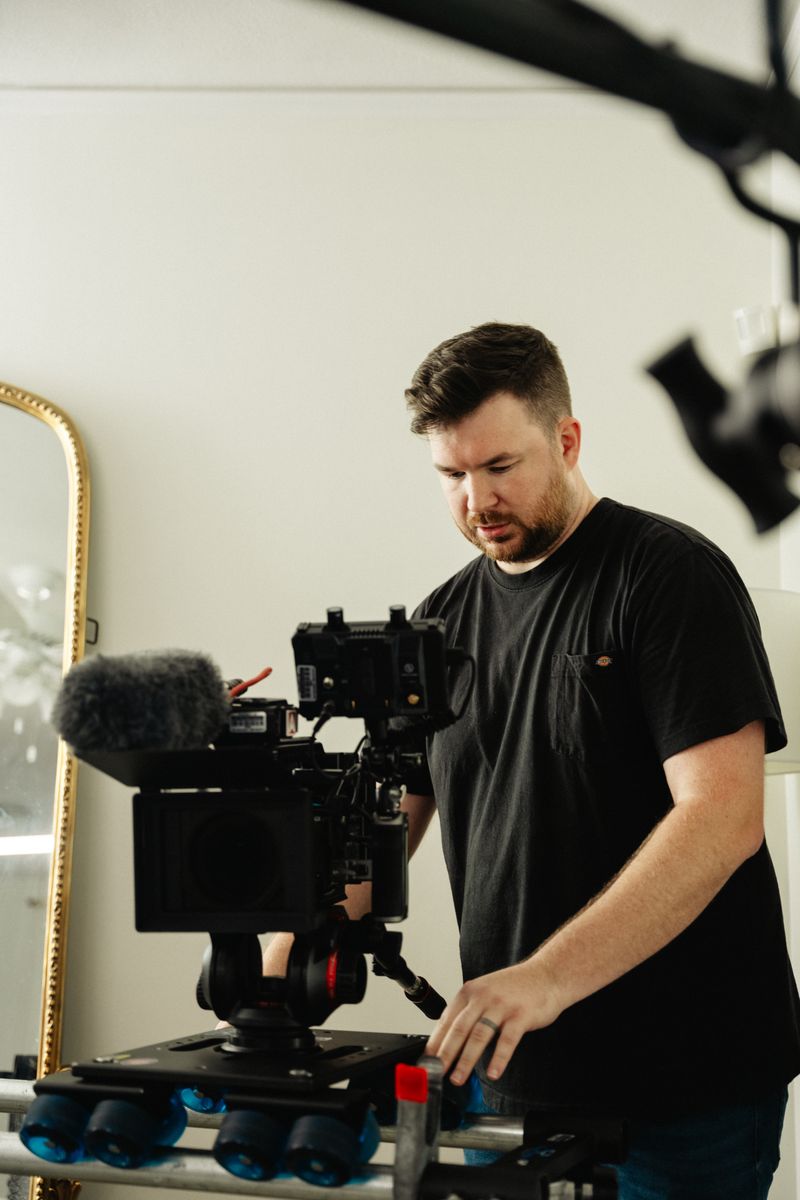
Don't fire all 12 questions in an email and wait. Use them across two conversations: hit questions 1, 8, and 10 in your initial inquiry to filter quickly, then work through the rest in a 20–30 minute discovery call for finalists.
Any reputable company will welcome these questions. Resistance to answering them is itself an answer.
Freelancer vs. production company — when each makes sense
A freelancer is fine for: single-camera interviews for internal use, event B-roll, social media content where volume matters more than polish, tight budgets under $1,500.
A production company is worth the investment for: client-facing brand content, multi-day shoots, multi-location projects, anything with executive visibility, commercials, projects requiring crew coordination and specialized gear.
How aPauling Productions answers the 12 questions
For full transparency, here's how aPauling Productions — a Little Rock, Arkansas video production company — answers each:
- Portfolio: Specialized in corporate, nonprofit, and higher education video. Notable clients include Ouachita Baptist University.
- Crew: Owner-operated. The person you meet during the proposal is the same person on your shoot.
- Equipment: Sony FX6 cinema camera, Sony A7SIII as second body, Pico wireless mics, professional lighting and grip kit. All owned.
- Insurance: Fully insured with general liability and equipment coverage. COI available on request.
- Pre-production: Discovery call, written creative brief, shot list, interview prep, location scouting on every project.
- Ownership: Client owns final deliverables. Raw footage policy in contract before kickoff.
- Revisions: Two rounds included on standard projects.
- Timeline: Four to eight weeks start to finish.
- Contract: Yes, on every project. Sample available.
- Payment: 50% deposit, 50% on delivery.
- Contingency: Weather calls 24 hours out for outdoor shoots, reschedule built into contract.
- References: Available on request.
Frequently asked questions
Get a real quote in 24 hours.
Tell us about your project and we'll send back a written proposal that answers all 12 questions — scope, gear, insurance, timeline, the works. Within one business day.
Request a Free Quote →