
- Categories covered
- 7 types of corporate video: brand, recruiting, testimonial, executive, training, event, social short-form
- Total price range
- $1,500 to $30,000+ depending on format and scope
- Most common format
- Brand video ($3,500–$15,000)
- Highest-ROI format
- Customer testimonials for B2B; recruiting video for high-volume hiring
- Typical timeline
- 4–8 weeks from kickoff to delivery
- Approach
- Documentary-style, interview-driven (vs. scripted/staged)
- Location served
- Little Rock, Arkansas and statewide
- Production company
- aPauling Productions, Little Rock, AR
Corporate video used to mean a stiff CEO talking head shot against a beige wall. Today, the best corporate video looks more like a Netflix documentary than a 1990s industrial film — and the businesses that recognize this are pulling significantly ahead in recruiting, sales, and brand awareness.
In this guide
What corporate video means in 2026
The category called "corporate video" today encompasses a lot more than it used to. Modern corporate video includes brand storytelling, recruiting and culture content, customer testimonials, internal communications, training and onboarding, executive communications, event recaps, product launches, and the steady stream of short-form social derivatives that live on LinkedIn and Instagram.
The defining shift is in distribution. Corporate video used to live on a company DVD or buried website page. Now it lives on LinkedIn, YouTube, recruiting pages, sales decks, email campaigns, and connected TV. The audience is larger and the standards are higher — your video sits next to actual entertainment, so it has to hold attention the same way.
That's why the best modern corporate video is interview-driven, documentary-style, and visually rich. Real people speaking authentically, captured well, paired with strong visuals of the actual work — that's what moves the needle.
The 7 types of corporate video and what each accomplishes
| Type | Price Range | Timeline | Best For |
|---|---|---|---|
| Brand / Anthem | $5,000–$20,000 | 4–8 weeks | Homepage hero, sales pitch, brand positioning |
| Recruiting / Culture | $4,000–$15,000 | 4–6 weeks | Careers page, LinkedIn, tight labor markets |
| Customer Testimonial | $2,000–$6,000 each | 3–4 weeks | B2B sales enablement |
| Executive Communications | $1,500–$5,000 | 1–2 weeks | Quarterly updates, all-hands, announcements |
| Training / Onboarding | $3,000–$15,000 | 6–10 weeks | High-volume hiring, distributed teams |
| Event / Conference Recap | $3,000–$10,000/day | 2–4 weeks post | Post-event marketing, next-year promo |
| Social Short-Form | $2,500–$8,000/pkg | 3–5 weeks | LinkedIn, Instagram, TikTok, Shorts |
1. Brand story / anthem video
A 60–180 second hero piece capturing who the company is, what it believes, and who it serves. Lives on your homepage, runs at the front of sales presentations, and shows up on social.
Real example: A Little Rock professional services firm used their brand video as the centerpiece of pitch meetings and credited it with helping land three enterprise clients in the first quarter after launch.
2. Recruiting and culture video
Shows the actual workplace, real employees, and what it feels like to work at your company. Critical for tight labor markets.
Worth knowing: The best recruiting videos let employees speak in their own words rather than reading scripts. Authenticity wins — candidates spot corporate-speak immediately.
3. Customer testimonial / case study video
Real customers talking about their experience, ideally with B-roll of the product or service in use. Often packaged as a series.
Real example: A B2B services company in Arkansas built a library of seven testimonials over a year. Their sales team sends a relevant testimonial in nearly every prospect interaction.
4. Executive / CEO communications
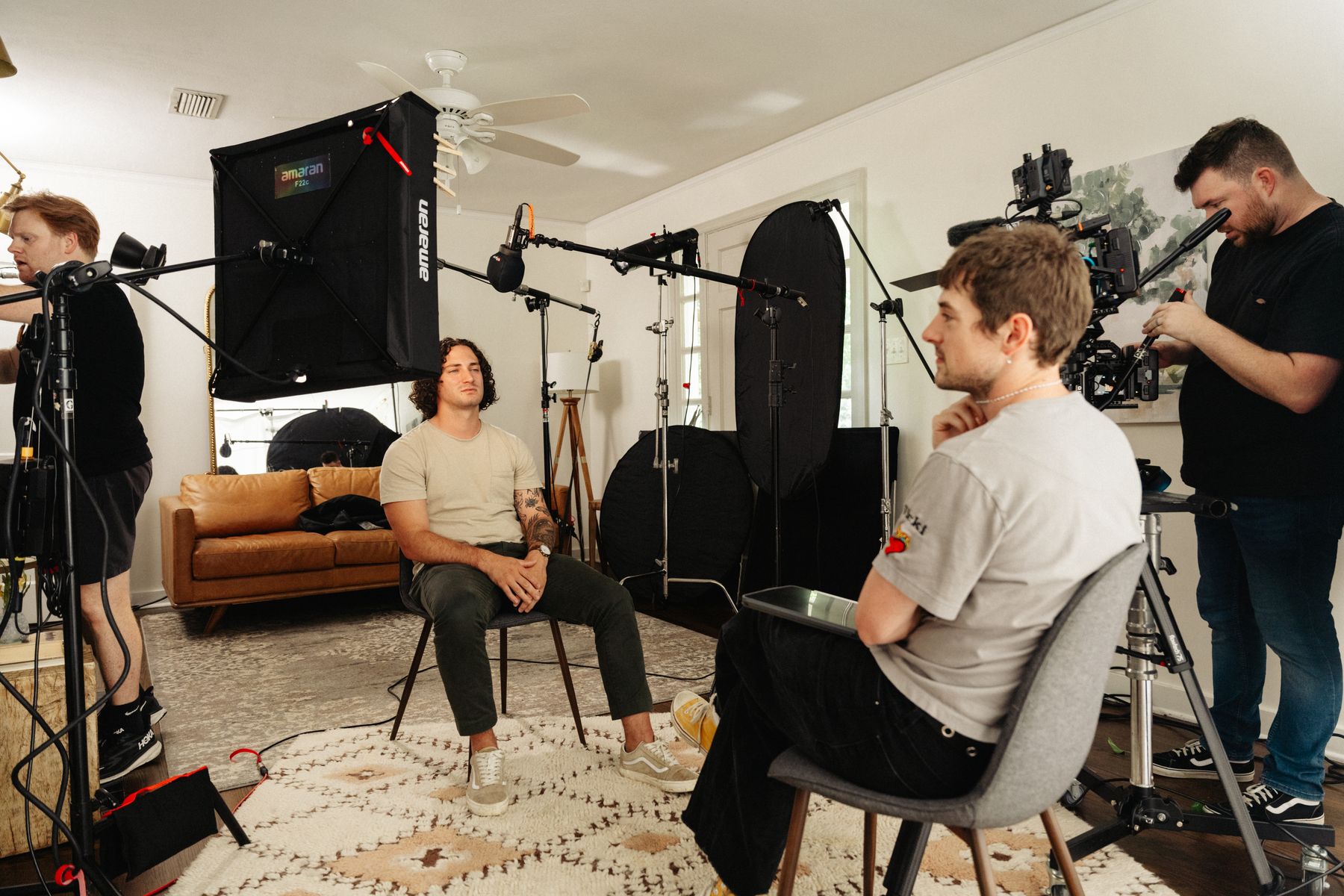
Quarterly updates, all-hands kickoffs, strategic announcements. Modern approach uses teleprompter for accuracy, multiple camera angles, and professional audio — not a webcam in someone's office.
5. Training and onboarding video
Replaces or supplements in-person training. Pays for itself fastest of any corporate format — the time savings compound with every new hire.
6. Event and conference recap
Captures keynotes, breakouts, and attendee energy from in-person events. Used for post-event marketing, next-year promotion, and social content.
7. Social media short-form content
Vertical, sub-60-second content optimized for LinkedIn, Instagram, TikTok, and YouTube Shorts. Often produced as derivatives from longer brand or testimonial shoots.
The smartest corporate video budgets combine formats.
A single production day, properly planned, can yield a hero brand video, three testimonial-style pieces, and twelve short-form social cutdowns. Tell your production company about all your distribution channels upfront — they can structure the shoot to deliver across all of them for far less than producing each separately.
Is corporate video worth the investment?
Corporate video is one of the most-questioned line items in a marketing budget because its return isn't always immediately measurable. Here's the honest case.
Recruiting. A strong culture video can meaningfully reduce time-to-hire and dependency on outside recruiters charging 20–25% of first-year salary per placement. For a single salaried hire, a $10,000 recruiting video can pay for itself many times over in saved recruiter fees alone.
Sales. Testimonial videos shorten sales cycles. Prospects who watch a testimonial before a sales call show up better informed and more ready to buy.
Brand awareness. Social-first video content typically outperforms text and image posts on engagement by several multiples on LinkedIn and Instagram.
Customer education. A single onboarding video that ten thousand customers watch is worth more than the cost of producing it many times over.
The honest caveat: video only delivers ROI if it's distributed. The $10,000 brand video that sits on a homepage no one visits is a worse investment than a $3,000 testimonial that the sales team shares with every prospect.
The corporate video production process, step by step
| Phase | Duration | What Happens |
|---|---|---|
| Discovery | Week 1 | Initial call, creative brief, strategy alignment |
| Pre-production | Weeks 2–3 | Concept, shot list, interview questions, location scout, scheduling |
| Production (shoot) | 1–3 days | Setup, lighting, audio, interviews, B-roll, director's review |
| Post-production | Weeks 4–8 | First cut, client revisions (2 rounds), color, sound design, final delivery |
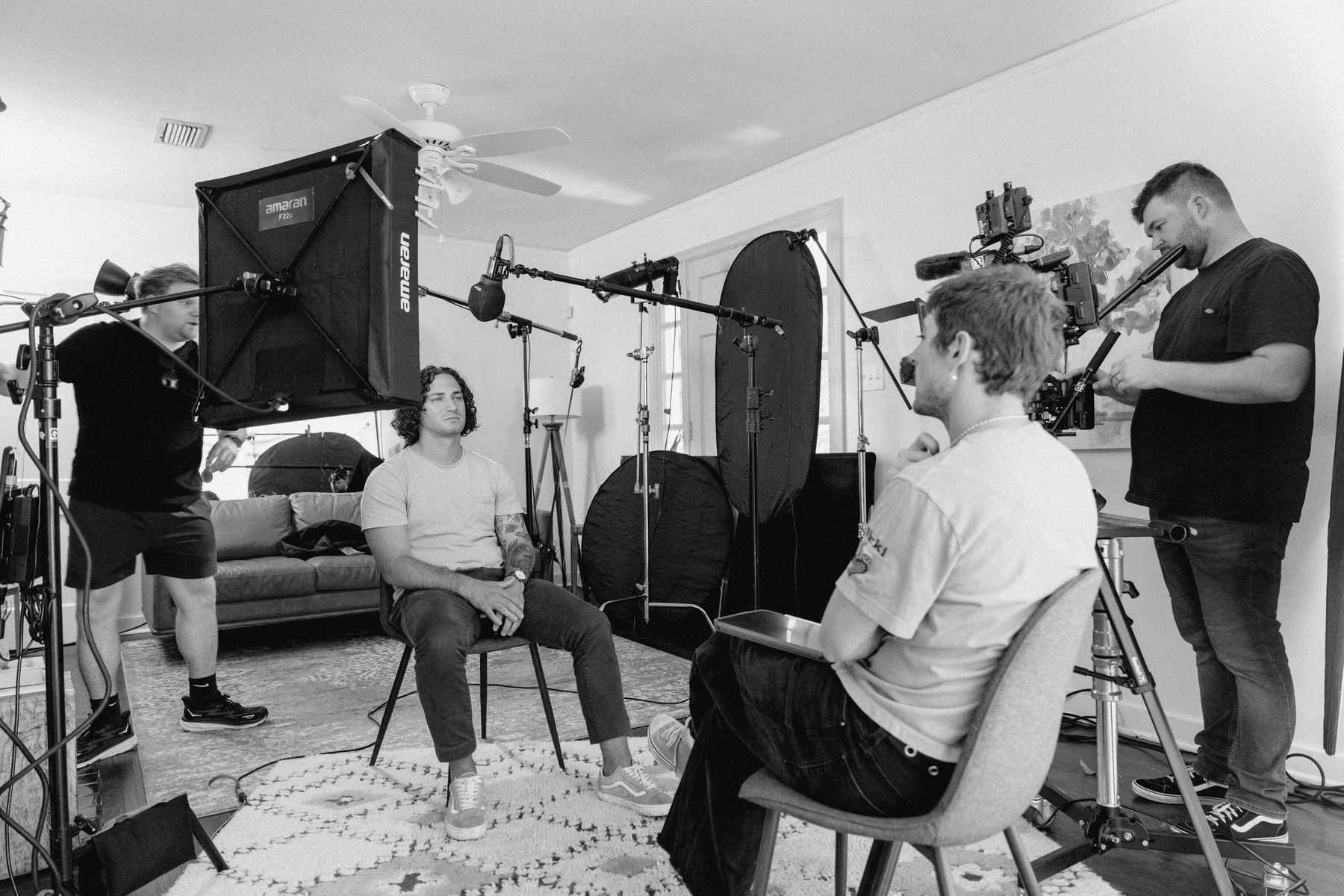
The biggest cause of timeline delays is client review speed, not production work. If you want to hit your deadline, build internal review time into your schedule and limit the number of stakeholders who have final approval.
How to prepare your team internally
- Identify decision-makers and limit them to two or three people. Committee-by-committee revisions kill projects.
- Confirm distribution channels before production starts. Aspect ratios and lengths affect how you shoot.
- Brief participating employees on what to expect on camera. Share interview questions in advance if appropriate.
- Provide brand guidelines, logos, fonts, and color codes. Before post-production starts, not during revisions.
- Identify legal, compliance, or HR review needed before publishing.
- Set realistic deadlines that account for internal review cycles.
Get a real scope and budget in 48 hours.
Tell us about your goals — we'll come back with a recommended format, realistic timeline, and a written proposal.
Request a Proposal →Choosing the right production partner
Look for documented experience in corporate video specifically (not weddings or events), professional-grade equipment, full insurance, a clear written contract, transparent pricing, and a structured process that includes real pre-production.
Read the full hiring guide → How to Hire a Video Production Company in Little Rock
Working with aPauling Productions
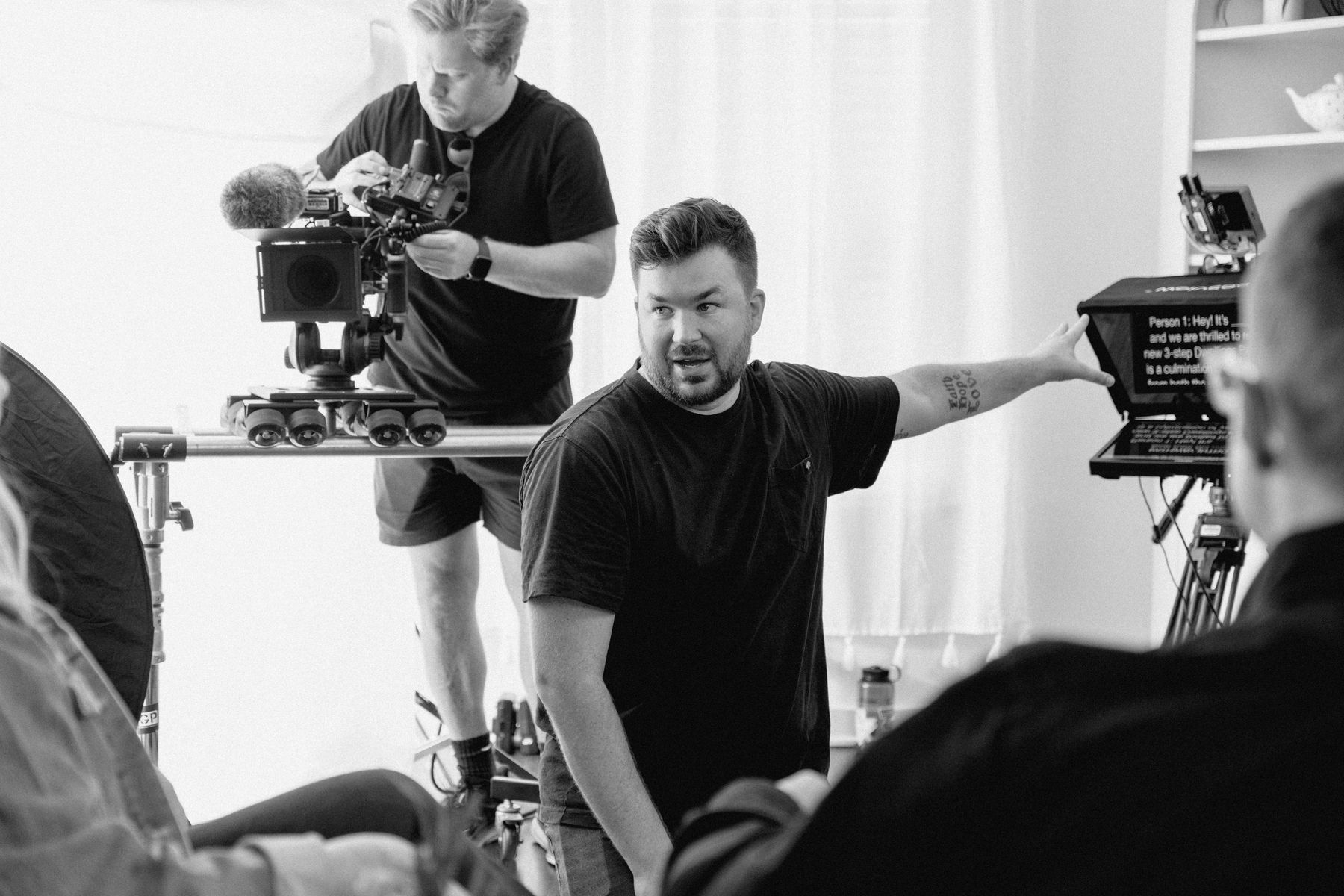
aPauling Productions is a Little Rock, Arkansas-based video production company specializing in corporate, nonprofit, and higher education video. Notable clients include Ouachita Baptist University, where we've produced the majority of their video content for years.
Our approach is documentary-style and interview-driven. Real people speaking authentically about real work outperforms scripted, staged content for nearly every corporate goal — recruiting, sales, brand, donor engagement.
You work directly with the owner of the company on your project, not a sales rep who hands you off to a junior team after the proposal. We shoot on Sony FX6 cinema cameras, carry full insurance, and operate under a written contract on every project.
Get in touch with aPauling Productions →
Frequently asked questions
Get a real quote in 24 hours.
Tell us about your goals — brand, recruiting, testimonial, training — and we'll send back a written proposal with the right format, realistic timeline, and pricing. Within one business day.
Request a Free Quote →